Decoding the Symbolism and Color Magic of Peony Flowers
Posted on 28/05/2025
Peonies--with their lush, full blooms and enchanting fragrance--are more than just delightful garden additions. These exquisite blossoms carry centuries of symbolism and mystique, making them coveted in art, culture, and horticulture worldwide. In this comprehensive guide, we unravel the layers of meaning behind peony flowers and explore the unique symbolism and "color magic" each shade brings. Whether you're a passionate gardener, a floral enthusiast, or someone appreciating bouquet arrangements, this article will illuminate everything you should know about the alluring world of peony flower symbolism and colors.
The Historical Roots of Peony Symbolism
The allure of peonies isn't a modern fascination. Originating over 4,000 years ago, peonies have been woven into the fabric of many cultures:
- China: Revered as the "King of Flowers" and symbolizing wealth, honor, and prosperity.
- Japan: A signifier of bravery and good fortune.
- Europe: Associated with romance, luxury, and high status.
Their prominence in imperial gardens and classic paintings hints at a status far beyond that of an ordinary flower. Peony meanings have evolved, intertwining with legends, medicines, and celebratory traditions, endowing these blooms with powerful significance.
Peony Symbolism Across Cultures and Contexts
Chinese Symbolism: Prosperity, Power, and Respect
In Chinese culture, peonies are the emblem of good fortune and royal lineage. They signify nobility, prosperity, female beauty, and the harmonious essence of family. The famous Double Ninth Festival often incorporates peonies in ceremonies, and their presence in marriage celebrations is thought to bless the couple with fertility and a fruitful union. Intriguingly, the peony flower meaning is so strong in China that it is sometimes referred to as the "flower of riches and honor" (???).
Peonies in Japanese Culture: Honor and Good Fortune
Peonies signify bravery, good fortune, and masculine strength in Japan. Their depiction alongside lions in traditional art represents both dominance and harmony--a delicate balance. Tattoos featuring peonies are favored not just for their beauty, but as talismans of wealth, daring, and resilience.
Peonies in Western Symbolism: Love, Dedication, and Romance
In the language of flowers (floriography), which flourished during the Victorian era, peonies expressed bashfulness and compassion. Owing to their opulent petals, peonies often feature in wedding bouquets, symbolizing happy marriages, enduring love, and good luck. Peonies are the birth flower for the month of June and the traditional flower for the 12th wedding anniversary, reinforcing their romantic association.
Peony Flower Color Magic: What Each Hue Represents
Color plays a vital role in flower symbolism. Every shade of peony carries a special message, making the selection of color as meaningful as the flower itself. Let's decode the color magic of peonies:
1. Pink Peonies: Romance and Grace
- Symbolism: Love, romance, femininity, compassion
- Occasions: Weddings, anniversaries, gestures of affection
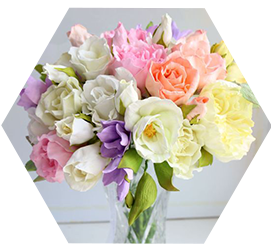
Pink peonies are among the most beloved, conveying a sense of soft romance and gentle beauty. They are popular choices for brides and romantic bouquets, symbolizing the blooming of new relationships and the subtle strength found in kindness and trust.
2. White Peonies: Purity and New Beginnings
- Symbolism: Purity, innocence, peaceful transitions
- Occasions: Weddings, memorials, new beginnings, apologies
With their pristine petals, white peonies symbolize fresh starts and the beauty of unblemished love. They are often chosen for wedding ceremonies and as sympathy flowers, as they represent peaceful transitions and heartfelt apologies.
3. Red Peonies: Passion and Honor
- Symbolism: Honor, respect, passion, prosperity
- Occasions: Celebrations, tokens of respect, festive events
Across Asian cultures, especially in China, red peonies are emblems of wealth and honor. The vibrant hue is linked to deep respect and bold energy. Incorporating red peonies into festive displays or gifts imparts wishes of success and thriving fortune.
4. Yellow and Coral Peonies: Optimism and Joy
- Symbolism: Happy energy, optimism, creativity
- Occasions: Birthdays, congratulations, mood-lifting gifts
Rare but captivating, yellow and coral peonies bring a playful energy. Their sunny tones represent cheerfulness, spreading joy and inviting creative inspiration. They are perfect for brightening spirits and conveying joyful news.
5. Purple Peonies: Mystery and Nobility
- Symbolism: Royalty, respect, spiritual awakening
- Occasions: Celebrations of achievement, spiritual milestones
Less common but visually stunning, purple peony flowers are linked to mystery, royalty, and respect. They make excellent gifts for recognizing courageous endeavors, accomplishments, or marking spiritual growth.
The Magic of Peony Colors in Bouquet Arrangements
A peony bouquet isn't just breathtaking--it can send nuanced messages through its color palette. Here are a few combinations and their meanings:
- Pink and White: Harmony in relationships, perfect for engagements or peaceful exchanges.
- Red and Yellow: Celebration and prosperity; ideal for promotions, milestones, and anniversaries.
- Mixed Colors: Embracing the fullness of life, representing balanced emotions and rich experiences.
Choosing a bouquet based on peony flower color symbolism adds depth to your gesture--whether you're expressing love, condolences, or gratitude.
Peony Symbolism in Art, Literature, and Spirituality
The Peony in Classic Art
Peonies have inspired artists for centuries. In ancient Chinese scrolls and European oil paintings, their lush forms symbolize abundance, renewal, and fleeting beauty. Japanese artists often paired them with fierce animals, illustrating the yin-yang of gentleness and strength.
Literary References
From classical poems to modern novels, the peony flower frequently emerges as a metaphor for ephemeral beauty, desire, and the cycles of life. Its delicate petals evoke both the vulnerability and resilience present in nature and human experience alike.
Peony Energy in Spiritual Practices
Some spiritual traditions view peony flowers as sources of protective energy. The scent, appearance, and color of the peony are believed to influence emotional balance, inviting joy, love, and prosperity into one's life. Feng Shui practitioners often recommend paintings or fresh peonies in the home's southeast corner to attract wealth and harmonious relationships.
Peony Flower Meaning in Modern Occasions
- Weddings: Symbolizing love, prosperity, and good luck, peonies are quintessential for wedding bouquets and venue decorations.
- Mother's Day: Their lushness represents nurturing love, making them a thoughtful choice to honor mothers and caregivers.
- Apology or Forgiveness: White peonies, in particular, are given as a heartfelt apology or as an offering of peace.
- Birthdays and Anniversaries: The joyous color magic of peonies makes them perfect celebratory gifts that deliver emotional warmth.
- Sympathy Flowers: Lighter shades represent comfort, peace, and hope in times of mourning.
No matter the occasion, peonies convey a multi-layered emotion. Their combination of visual beauty and rich symbolism adds significance to every gesture.
Tips for Choosing the Perfect Peony Flower
Consider the Receiver's Personality
Reflect on the meaning you want to convey. Is it romantic love? Choose pinks. Are you sharing a message of respect or prosperity? Go for reds or purples. For new beginnings, nothing beats white peonies.
Timeliness and Seasonality
Peonies have a fleeting blooming season--typically late spring to early summer. If you're selecting them for events, plan accordingly to access the freshest, most vibrant blooms.
Arrangement Styles
- Single-color bouquets for messaging clarity
- Mixed arrangements for rich, multi-layered meanings
- Pair peonies with complementary flowers for added texture
Long-lasting Impact
A well-tended peony bouquet can last up to a week, allowing recipients ample time to enjoy both the aesthetic and emotional impact that comes with this magical flower.
Fun Facts About Peonies and Their Magical Appeal
- Some peony species live over 100 years, making them symbols of enduring relationships and legacy.
- The name "peony" is derived from Paeon, the Greek physician of the gods in ancient mythology.
- Peonies aren't just beautiful--they're edible! Their petals have culinary uses in teas, salads, and cakes.
- Ants are commonly seen on peony buds--not for pollination, but attracted by the sugary nectar. Their presence doesn't harm the plant.
Caring for Peonies: A Ritual of Beauty and Symbolism
In Gardens
Peonies are easy to cultivate in temperate climates, thriving in well-drained soil and full sun. Their presence in a garden is thought to attract positive energy, wealth, and supportive relationships.
As Cut Flowers
- Cut stems under water to avoid air pockets.
- Change the vase water every other day to extend bloom life.
- Keep away from direct sunlight for lasting vibrancy.
By nurturing peonies in your home, you invite their classic elegance and fortuitous symbolism into your daily life.
The Lasting Magic of Peony Flowers: Conclusion
Through centuries, continents, and creative disciplines, the peony flower has enchanted humanity--not just with its luxurious form and fragrance, but with the powerful symbolism and subtle "color magic" each bloom carries. Whether celebrating milestones, expressing heartfelt emotions, or simply adding beauty to your space, an understanding of peony meaning and their color language elevates every experience.
Next time you encounter a peony bouquet or pass by blooming bushes in a garden, remember: beneath those vibrant petals lie stories of love, power, renewal, and hope. When gifted or received with intention, the peony is more than a flower--it is a messenger of the heart, a bearer of dreams, and a perpetual emblem of life's most treasured emotions.