Easy Steps to Ensure Your Flowers Last Longer
Posted on 19/06/2025
Easy Steps to Ensure Your Flowers Last Longer
Flowers have an amazing ability to brighten any space, bring joy, and express affection or celebration. Whether you receive a beautiful bouquet from a loved one or treat yourself to fresh blooms, it's only natural to want them to stay vibrant for as long as possible. However, fresh flowers are delicate, and without adequate care, they can wilt within just a few days. The good news is that making your flowers last longer is simple with the right techniques.
This comprehensive guide offers easy steps to ensure your flowers stay fresh longer and remain a stunning feature in your home. Follow these proven methods to not only preserve your blooms but also to maximize their lifespan and beauty.
Why Do Fresh Flowers Wilt?
To effectively extend the life of your flowers, it's helpful to understand the science behind wilting. Once cut, flowers are removed from their natural source of water and nutrients, making them susceptible to dehydration and bacterial growth. Several factors can accelerate wilting:
- Bacteria and fungi build-up in water
- Improper cut or damaged stems
- Lack of proper hydration or changing water
- Exposure to heat, drafts, and direct sunlight
- Presence of ethylene-producing fruits near flowers
By being aware of these factors, you can take targeted steps to address them, effectively preserving your flower arrangements and keeping them fresh for a longer time.
Easy Steps to Make Your Flowers Last Longer
1. Choose the Right Flowers
For the longest vase life, start with fresh, high-quality flowers. Look for blooms that are just beginning to open and have firm, green stems. Avoid flowers with wilted petals, yellowing leaves, or slimy stems. Opting for hardy varieties like carnations, chrysanthemums, or alstroemerias can also help extend the life of your bouquet.
2. Prepare Your Vase Properly
- Cleanliness is Key: Bacteria is the enemy of fresh flowers. Wash your vase thoroughly with soap and water, and rinse well to remove any residue. For best results, swish a little bleach inside the vase, rinse, and dry before adding fresh water.
- Use Lukewarm Water: Fill the vase with room temperature or lukewarm water. Cold water can shock some flowers, while lukewarm water is readily absorbed by the stems.
3. Trim Stems at an Angle
- Always cut flower stems at a 45-degree angle under running water or while submerged to prevent air from entering the stem, which can block water uptake.
- Remove at least 1 inch from the bottom of each stem, even if the flowers look freshly cut.
- Repeat trimming every two to three days to keep water pathways open and ensure maximum hydration.
4. Remove Excess Foliage
Leaves left below the waterline rot and promote bacterial growth. Strip any leaves on the part of the stem that will be submerged before arranging your flowers. This simple action can significantly prolong vase life by maintaining cleaner water.
Tips for Watering and Nourishing Flowers
5. Change the Water Regularly
- Replace water every two days, or daily if the bouquet is large. Fresh water discourages bacterial growth and keeps your flowers hydrated.
- Rinse stems and the vase with each water change for extra freshness.
6. Use Flower Food Properly
- Most bouquets come with a packet of flower food. Don't toss it! Flower food provides essential nutrients and helps prevent bacterial growth.
- Mix the packet with the correct amount of water as directed, not more or less.
- If you run out, make your own with a teaspoon of sugar, a few drops of bleach, and a teaspoon of lemon juice or vinegar per quart of water.
Optimal Placement for Flower Arrangements
7. Avoid Direct Sunlight and Heat
While plants need sunlight to grow, cut flowers do not. Prolonged exposure to heat and direct sunlight can dehydrate and fade flowers more quickly. Instead, display your bouquet in a cool, shaded spot away from heating vents, radiators, and appliances that emit heat.
8. Keep Away from Ripening Fruits and Drafts
- Many fruits, such as apples and bananas, release ethylene gas, which accelerates the aging process of flowers.
- Keep arrangements far from fruit bowls, open windows, and air conditioning vents to prevent premature wilting.
Simple Tricks to Maximize Your Flowers' Longevity
9. Mist Your Flowers Daily
A light misting with water helps keep petals hydrated. Use a spray bottle to gently mist the arrangement each day, especially if the air in your home is dry.
10. Re-Cut and Refresh Your Arrangement
- Every few days, take the flowers out, re-trim the stems, rinse the vase, and rearrange for a fresh look.
- This renewed exposure to water and removal of decaying petals or leaves can substantially extend the beauty of your bouquet.
11. Remove Wilting or Dying Flowers
As soon as you spot wilting or dead blooms, remove them from the arrangement. Decaying flowers release bacteria that can quickly spread and shorten the lifespan of the remaining healthy blooms.
Special Care for Popular Flower Types
Roses
- Remove guard petals: These are the outermost petals, often bruised, that protect the rosebud during shipping. Carefully pluck them to allow the flower to fully open and stay fresh longer.
- For droopy rose heads, submerge the entire stem and rose head in lukewarm water for 30 minutes for revival.
Tulips
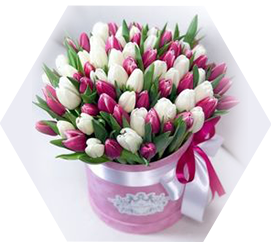
- Tulips continue to grow after being cut! Trim stems every few days and support tall stems with other flowers or in a tall vase.
- Use fresh, cool water and avoid direct sunlight.
Hydrangeas
- Hydrangeas can wilt quickly. Slit stem ends or dip them in boiling water for a few seconds before placing them in the vase to improve water uptake.
- Mist petals regularly since hydrangeas absorb water through both stems and petals.
Sunflowers
- Trim thick stems with sharp shears and change water daily. Sunflowers drink a lot, so check water levels often.
- Remove any leaves below the waterline to reduce bacteria growth.
DIY Homemade Flower Preservatives
If you've run out of store-bought flower food, you can easily make your own at home. These homemade solutions help your fresh flowers last longer by nourishing them and controlling bacteria:
- Bleach and Sugar Mix: Add 1 teaspoon sugar, 1 teaspoon bleach, and 2 teaspoons lemon or lime juice per quart of water. This combo feeds the flowers and keeps the water clean.
- Clear Soda Flower Preservative: Mix 1 part lemon-lime soda (not diet) with 3 parts water, and add a few drops of bleach for antibacterial protection.
*Remember: Never use too much bleach--it can harm flowers. A few drops are more than enough!
Common Mistakes That Cause Flowers to Wilt Fast
- Ignoring stem trimming: Skipping stem cuts prevents water uptake, causing early wilting.
- Letting water go cloudy: Dirty water breeds bacteria, which choke stems and shorten bloom life.
- Overcrowding your vase: Too many stems can crush each other, increasing rot and reducing airflow.
- Leaving leaves submerged: Leaves in water decay quickly and compromise freshness.
- Exposing arrangements to drafts, extreme heat, or direct sunlight.
- Placing bouquets near ripe fruits that emit ethylene gas.
Caring for Flowers with Unique Needs
Some blooms need special care. For example, orchids benefit from occasional misting and thrive in warm, humid conditions, while lilies and daffodils can emit sap harmful to other flowers and should be kept in separate vases if possible.
FAQ: Answers to Common Flower Care Questions
- Can sugar make cut flowers last longer?
Yes, sugar is a food source for flowers. However, it should be used with an acid (like lemon juice) and a disinfectant (such as bleach) to prevent bacteria growth. - How often should I change the vase water?
Ideally, change the water every 1-2 days to keep it fresh and avoid bacteria buildup. - What is the best temperature for keeping cut flowers?
Most cut flowers last longest in cool temperatures, ideally between 65-72?F (18-22?C). - Are there flowers that last longer than others?
Yes. Carnations, chrysanthemums, alstroemerias, and orchids are among the longest-lasting cut flowers. - Should I remove wilted blooms from my bouquet?
Absolutely! Dead flowers can infect the rest of the bouquet with bacteria.
Conclusion: Enjoy Beautiful, Long-Lasting Flowers Every Day
With consistent care, attention to cleanliness, and a few insider tricks, you can ensure your flowers last longer and remain the centerpiece of joy in your home. Remember to:
- Start with healthy, fresh flowers
- Always use clean vases and fresh water
- Cut stems diagonally and remove any submerged leaves
- Feed your flowers and monitor the water
- Place bouquets in cool spots, away from sunlight and fruit
- Remove wilting blooms immediately
By integrating these easy, effective tips into your flower care routine, you can maximize the vitality and charm of every bouquet. Let your fresh flowers inspire happiness and beautify your life for days and days to come!